How we chose
- Only printers documented in our catalog, with a manufacturer spec sheet reviewed in September 2026 (build volume, dimensions, temperatures, claimed speed).
- One pick per use case rather than a single leaderboard: the best printer for resin miniatures is not the one a workshop needs for nylon parts.
- No scores and no claimed testing: we have not tested these printers, and every reason relies on published specifications.
- For the same use, we favored the most searched models, because they come with more profiles, files and community help.
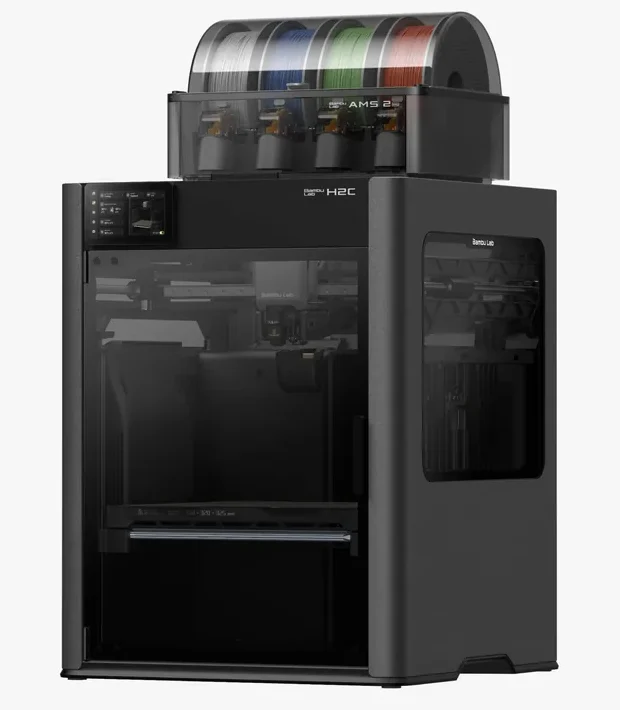
- Some spec sheets show paid partner offers, labeled “Ad”. A printer without an offer can still make the list, like the H2C.
Choose in three questions
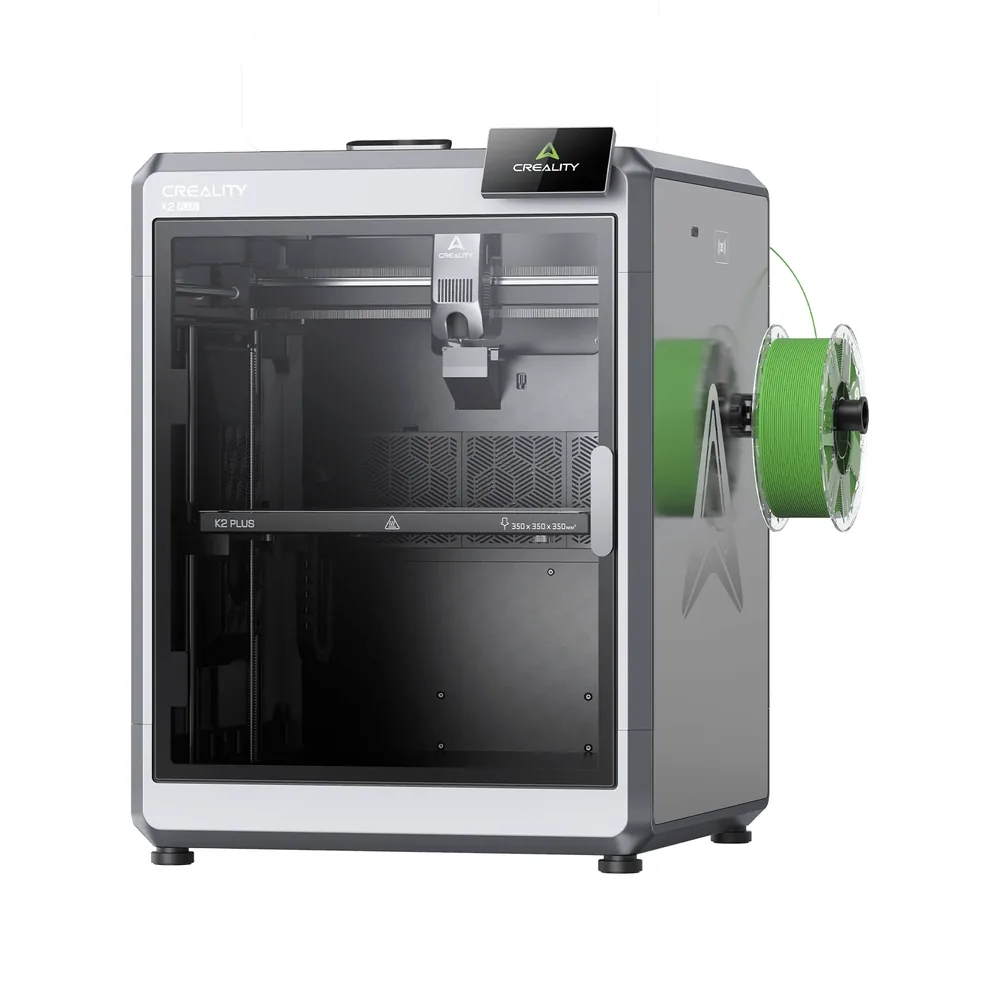
Start with the largest part you expect to print: beyond 18 cm on one axis, an A1 mini means splitting models; beyond 25 cm, look at a large-format printer such as the K2 Plus. Our printer finder filters more than 100 printers by your dimensions.
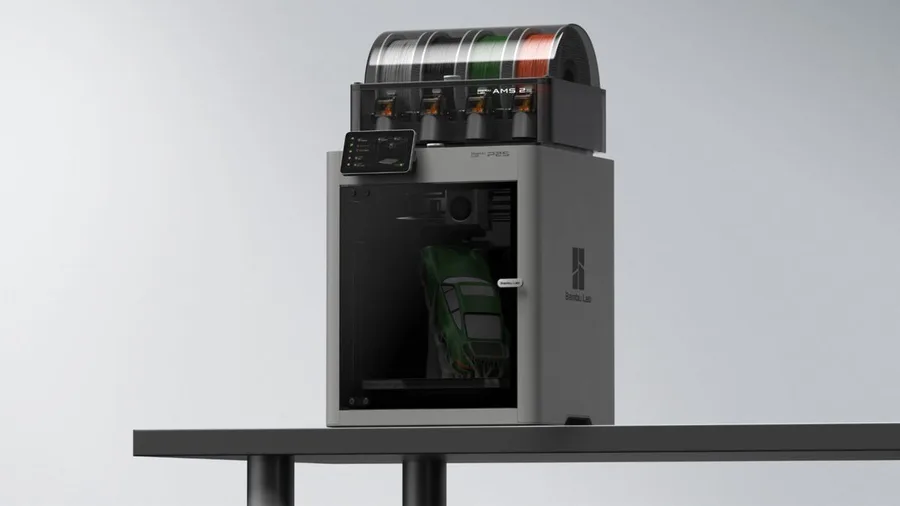
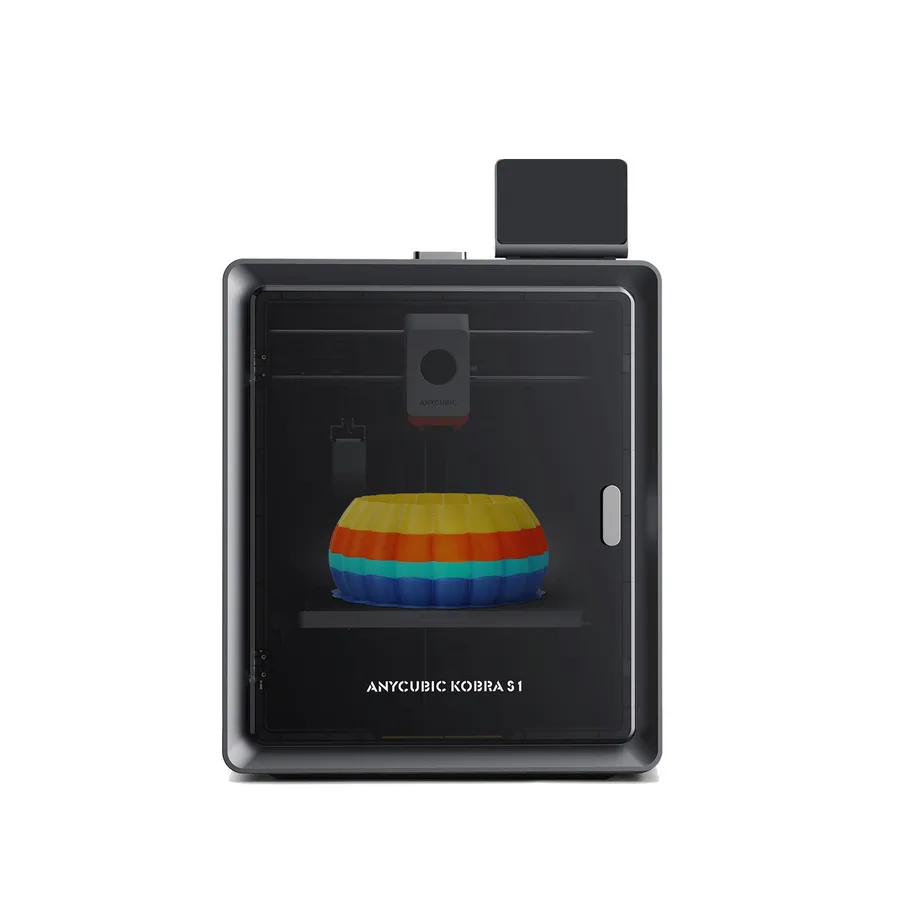
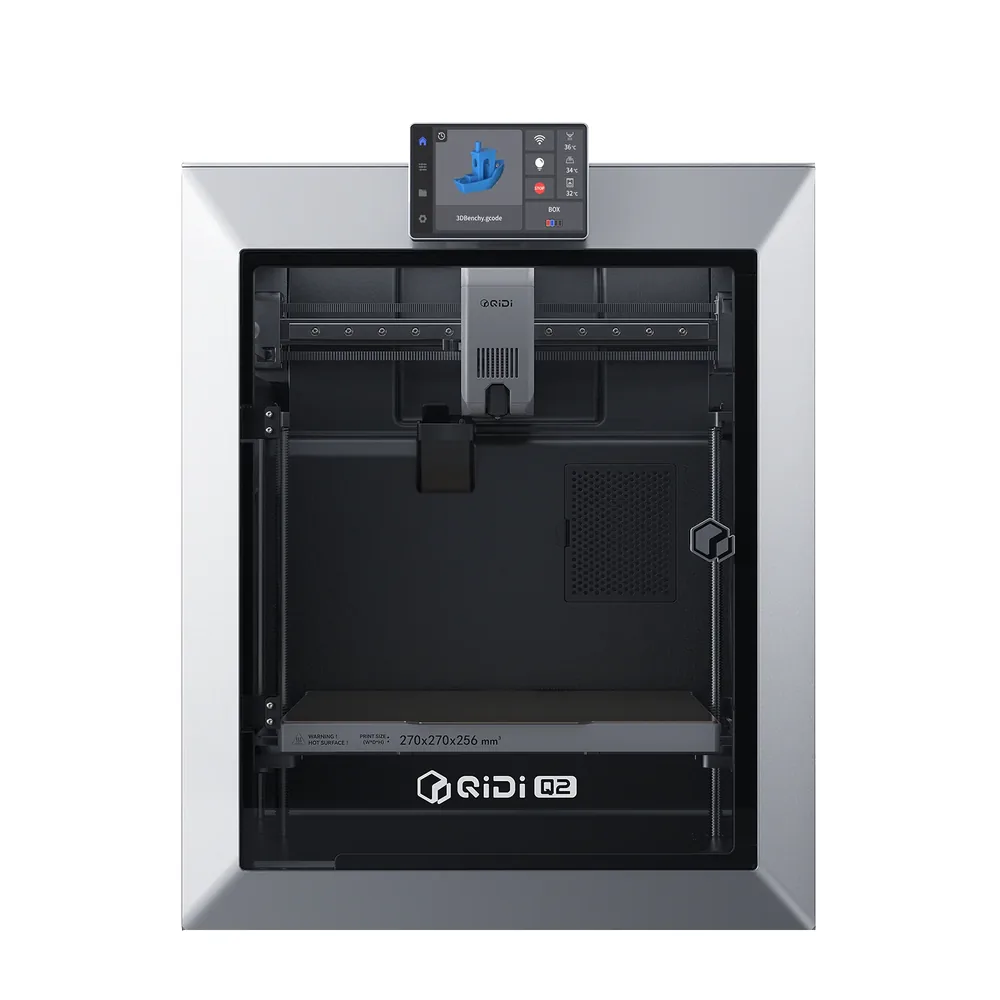
Second question: materials. PLA and PETG print well on an open frame. ABS, ASA, nylon and polycarbonate need an enclosure, ideally with a heated chamber. Third question: colors. Multicolor comes from an add-on unit (AMS, ACE Pro, CFS, QIDI Box), often sold separately, or from a hotend changer such as the H2C’s Vortek.
Enclosed or open frame?
An open-frame printer is usually cheaper, easy to tune and enough for most PLA objects. An enclosed printer blocks drafts and keeps heat around the part, which reduces warping with materials that shrink as they cool.
Printers with active chamber heating (the H2C, K2 Plus and Q2 in this list) go further by holding a controlled temperature. Learn more in our enclosed 3D printer guide and our ABS and ASA guide.
Multicolor: which system for which use?
Multi-spool systems (Bambu Lab AMS, Anycubic ACE Pro, Creality CFS, QIDI Box) feed a single nozzle and purge the previous color at every change: effective, but it uses filament. Multi-nozzle printers and hotend changers reduce that purge.
For a first step, a printer that accepts an optional unit lets you start in one color and upgrade later. Our multicolor buying guide explains the differences.
Resin or filament?
Resin delivers very fine detail, ideal for miniatures, but requires post-processing (washing, curing) and careful handling. Filament is simpler day to day and allows larger functional parts.
If you are unsure, our FDM vs resin guide compares both processes, and the resin buying guide covers resin-specific criteria.
What about price?
3D printer prices change often with promotions and bundles. Rather than freezing a figure that would soon be wrong, each printer page shows prices checked at our partners, with the date of the check.
To estimate the full cost (printer, spools, spare plate, drying), use our startup budget tool.
Frequently asked questions
What is the best 3D printer for beginners?
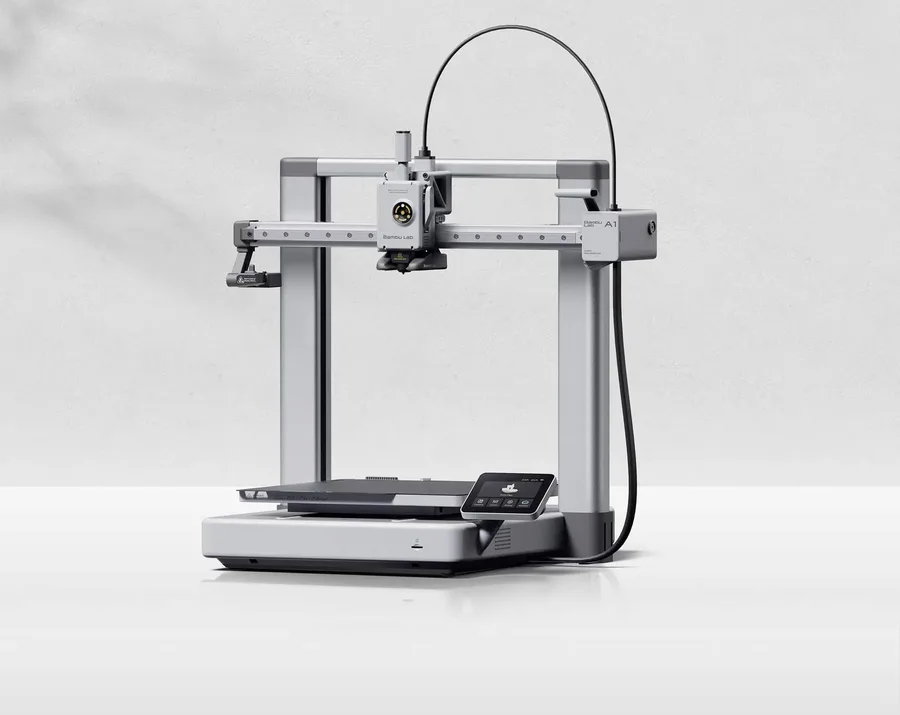
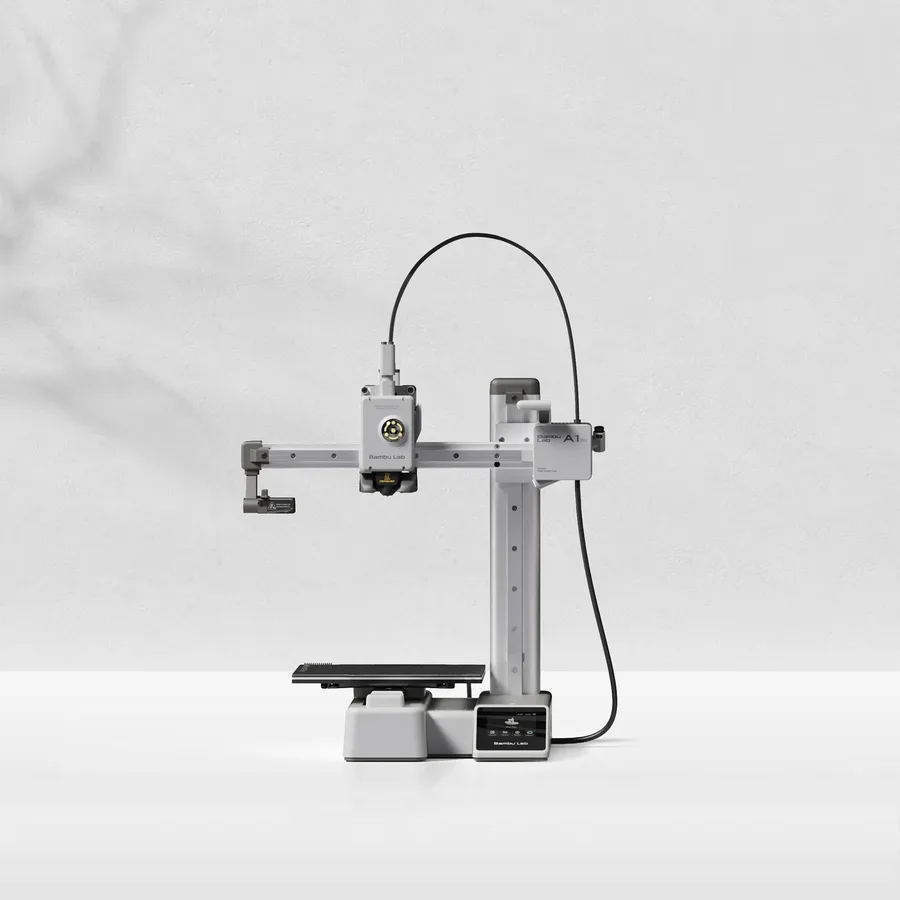
For a first printer, a machine that is simple to set up, like the Bambu Lab A1 (256 mm class) or the A1 mini (180 mm class), is a good starting point: automated calibration and large libraries of profiles and files. Choose based on part size and available space.
Which 3D printer is best for multicolor printing?
You need a multicolor system: AMS 2 Pro with the P2S, ACE Pro with the Kobra S1, CFS with the K2 Plus, or the H2C’s Vortek hotend changer, which reduces purge according to Bambu Lab. Always check whether the unit is included in the listing.
Do I need an enclosed 3D printer?
Not for PLA and PETG. An enclosure helps with ABS, ASA, nylon and polycarbonate, which warp in drafts; active chamber heating helps even more with these materials.
Which resin 3D printer is best for miniatures?
A high-resolution LCD printer such as the Elegoo Saturn 4 Ultra 16K (14 µm pixels claimed) suits detailed miniatures. Plan for washing and curing equipment.
Why is there no score out of 10?
Because we have not tested these printers. Instead of an invented score, each pick is backed by verified manufacturer specifications and one caveat.
Sources
- Bambu Lab — P2S specifications (bambulab.com)
- Bambu Lab — A1 specifications (bambulab.com)
- Bambu Lab — A1 mini specifications (bambulab.com)
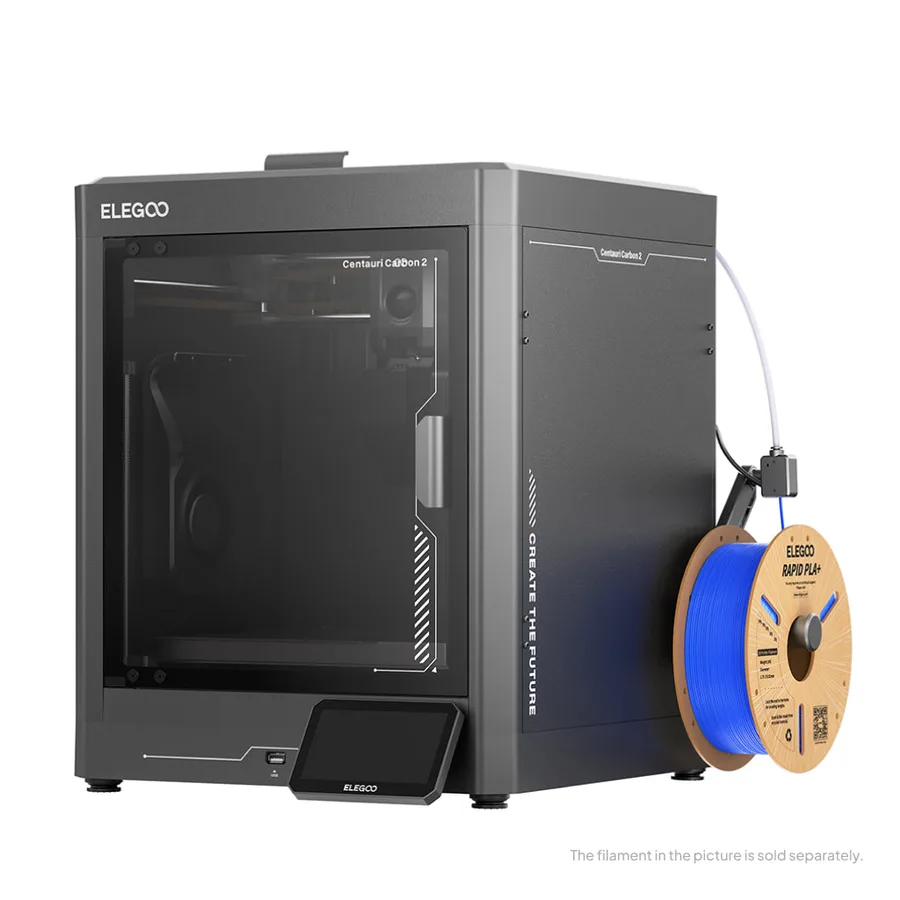
- Elegoo — Centauri Carbon 2 specifications (fr.elegoo.com)
- Anycubic — Kobra S1 specifications (store.anycubic.com)
- Bambu Lab — H2C specifications (bambulab.com)
- Creality — K2 Plus specifications (creality.com)
- QIDI Tech — Q2 specifications (us.qidi3d.com)
- Elegoo — Saturn 4 Ultra 16K specifications (elegoo.com)
- Our methodology