
For enclosed large format with dual nozzles
Raise3D Pro3 Plus
A professional dual-extruder FDM printer with an enclosed chassis and a 300 × 300 × 605 mm nominal build volume in single-extrusion mode per Raise3D.
In short The Raise3D Pro3 Plus is an enclosed filament (FDM) 3D printer with a 300 × 300 × 605 mm (11.8 × 11.8 × 23.8 in) build volume. Raise3D claims a 350 mm/s top speed, a 300 °C (572 °F) nozzle and a 120 °C (248 °F) bed; the printer measures 620 × 626 × 1,105 mm (24.4 × 24.6 × 43.5 in) and weighs 66.6 kg (146.8 lb).
Documentary analysis · Not personally tested
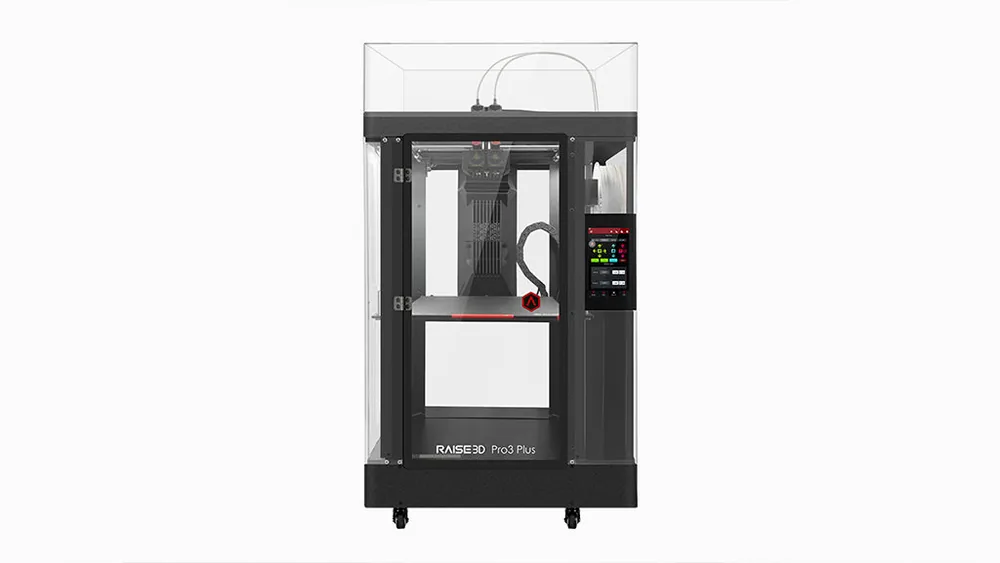 FDM · Enclosed
Why consider it?
A nozzle heating up to 300°C, a heated bed up to 120°C, a HEPA filter with activated charcoal, a filament run-out sensor, and mesh leveling with flatness detection per Raise3D.
What to verify
The 300 × 300 × 605 mm volume only applies in single-extrusion mode; in dual-extrusion mode, usable width drops to 255 mm per Raise3D. Exact bundle contents should be checked on the retailer's listing.
Raise3D Pro3 Plus specifications
- Technology
- Filament (FDM)
- Build volume
- 300 × 300 × 605 mm (11.8 × 11.8 × 23.8 in)
- Printer dimensions
- 620 × 626 × 1,105 mm (24.4 × 24.6 × 43.5 in)
- Weight
- 66.6 kg (146.8 lb)
- Enclosure
- Enclosed
- Claimed top speed
- 350 mm/s
- Max nozzle temperature
- 300 °C (572 °F)
- Max bed temperature
- 120 °C (248 °F)
- Nozzles
- 2 (multi-nozzle)
- Multicolor
- A dual extrusion head with an electronic lifting system; supports two materials or a secondary color, separate from soluble support.
- Materials
- PLA, ABS, ASA, PETG, PC, PETG ESD, TPU 95A, PVA+, Hyper Speed PLA/ABS, plus third-party materials through the Raise3D OFP program per the manufacturer.
- Screen
- 7-inch touchscreen
- Built-in camera
- Yes
- Connectivity
- Wi-Fi, Ethernet, USB
- Listed features
- Auto bed leveling, filament runout sensor, built-in air filtration
How much space does it need?
The Raise3D Pro3 Plus measures 620 × 626 × 1,105 mm (24.4 × 24.6 × 43.5 in) for a 300 × 300 × 605 mm (11.8 × 11.8 × 23.8 in) build volume: the dashed box is the printer, the solid cube the nominal build volume, about 13% of the machine’s volume. Add room for the spool or multicolor unit, cables and ventilation.
Source: official Raise3D pages (s1.raise3d.com, raise3d.com), checked September 28, 2026. Manufacturer claims, not our measurements. Build volume is nominal: orientation, supports and reserved zones can reduce the usable space.
Which projects is it for?
The Pro3 Plus targets production parts and tall prototyping, with a nominal build volume of 300 × 300 × 605 mm in single-extrusion mode per Raise3D, reduced to 255 × 300 × 605 mm in dual-extrusion mode.
The dual extrusion head with an electronic lifting system allows alternating between two materials or a color and a soluble support, an advantage for complex technical parts rather than simple decorative multicolor work.
Materials and setup
The nozzle heats up to 300°C and the silicone heated bed reaches up to 120°C per Raise3D, covering the advertised PLA, ABS, ASA, PETG, PC, PETG ESD, TPU 95A, and PVA+, plus third-party materials qualified through the Open Filament Program.
The enclosed chassis paired with a HEPA filter with activated charcoal limits particle and odor emissions, an important point for indoor ABS or ASA printing per Raise3D's technical specifications.
What the bundle includes or not
Raise3D advertises a 7-inch touchscreen, a live monitoring camera, a filament run-out sensor, and automatic mesh leveling with flatness detection. Exact accessories included (spare nozzles, flexible plate) should be checked on the retailer's listing.
WiFi, Ethernet, and USB connectivity along with the ideaMaker slicing software are advertised as included, covering the basic workflow without extra software to buy.
Alternatives to compare
For a similar footprint without dual extrusion, the Creality K1 Max is a far cheaper option for enclosed large-format printing. The beginner's buying guide helps place a professional investment like the Pro3 Plus against consumer machines.
The functional parts buying guide covers the criteria for judging whether an enclosed chassis and dual extrusion are worth it for your use case.
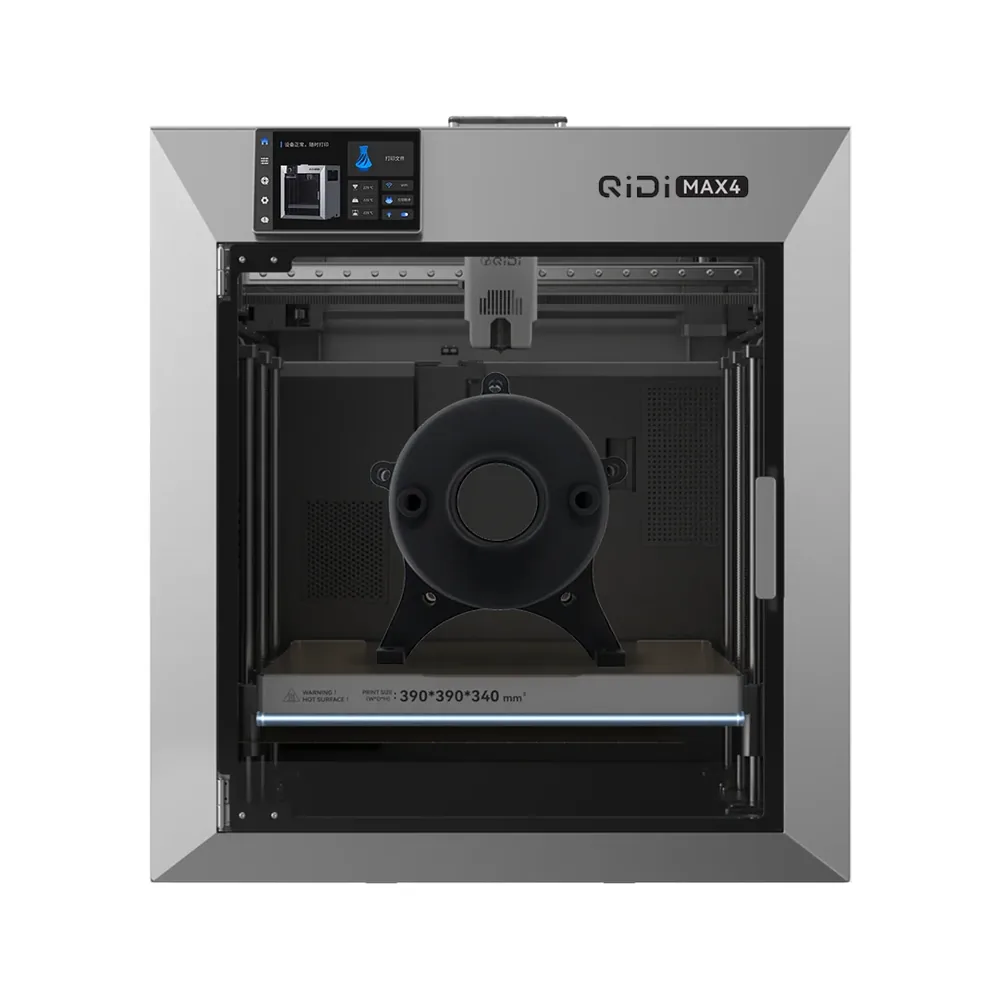
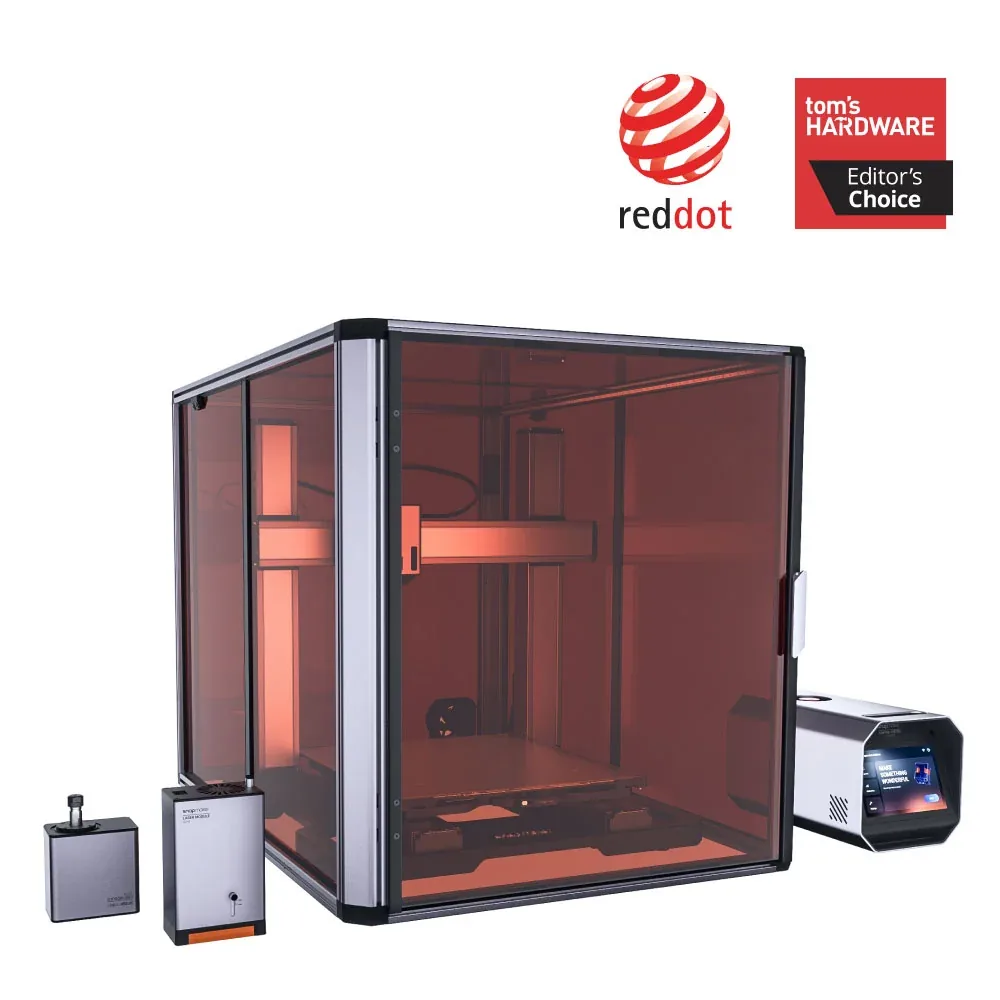
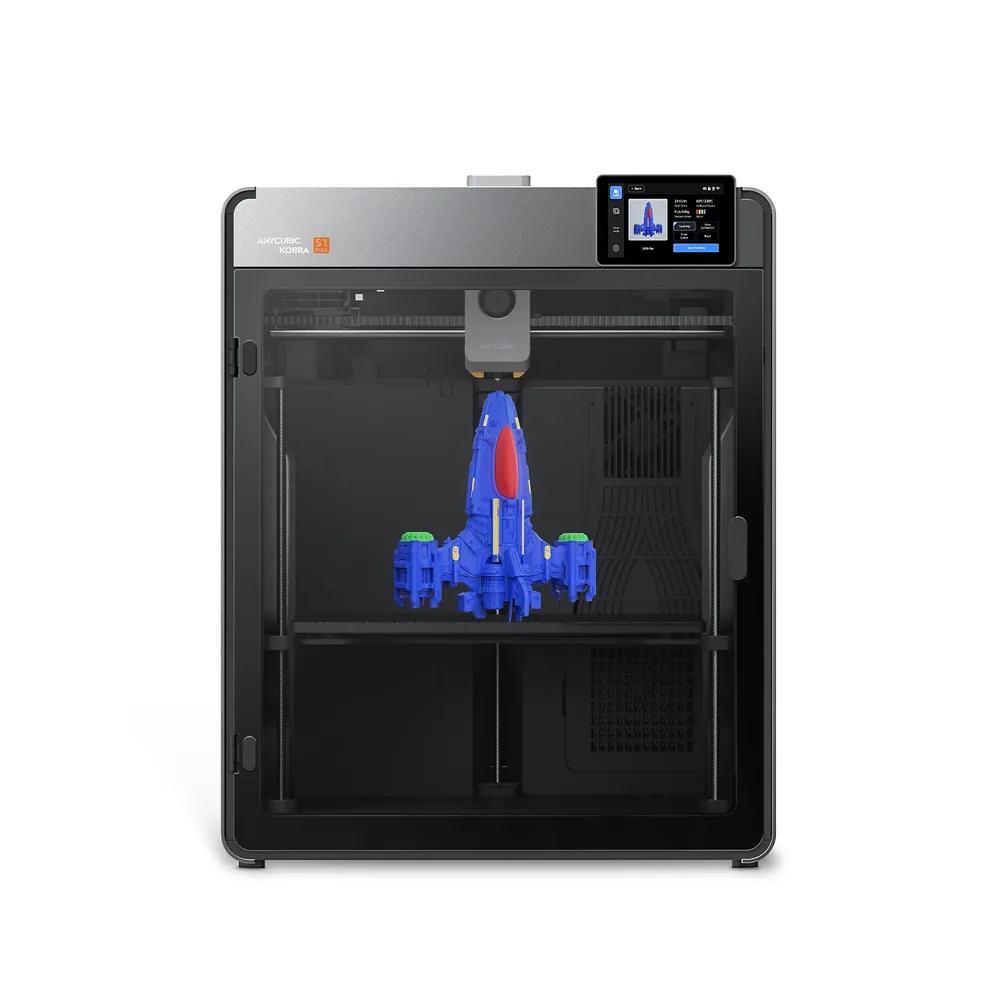
Similar printers to compare
Sources and limits
- Source: official Raise3D pages (s1.raise3d.com, raise3d.com), checked September 28, 2026. Manufacturer claims, not our measurements.
- How we assess specifications
We have not measured noise, real printing speed, accuracy or reliability, so none of these is rated here.