
For enclosed large format, fast
Creality K1 Max
An enclosed CoreXY FDM printer with a 300 × 300 × 300 mm nominal build volume and a top speed advertised at 600 mm/s.
In short The Creality K1 Max is an enclosed filament (FDM) 3D printer with a 300 × 300 × 300 mm (11.8 × 11.8 × 11.8 in) build volume. Creality claims a 600 mm/s top speed, a 300 °C (572 °F) nozzle and a 100 °C (212 °F) bed; the printer measures 435 × 462 × 526 mm (17.1 × 18.2 × 20.7 in) and weighs 18 kg (39.7 lb).
Documentary analysis · Not personally tested
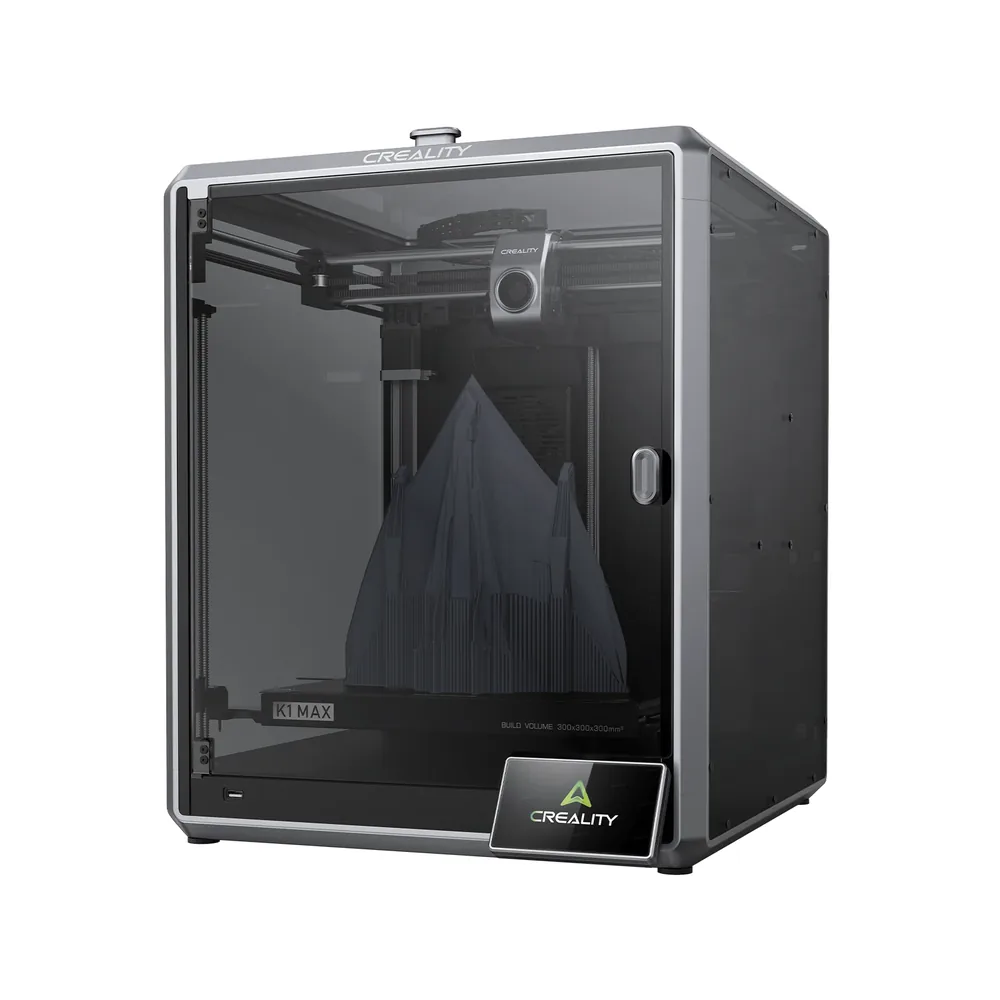 FDM · Enclosed
Why consider it?
A 300 × 300 × 300 mm volume in an enclosed chassis, LiDAR leveling advertised at 1 μm resolution, and a built-in 1080p AI camera.
What to verify
A bed this size heats and stabilizes more slowly than a 220 mm footprint; check the retailer's listing for the exact bundle contents.
Creality K1 Max specifications
- Technology
- Filament (FDM)
- Build volume
- 300 × 300 × 300 mm (11.8 × 11.8 × 11.8 in)
- Printer dimensions
- 435 × 462 × 526 mm (17.1 × 18.2 × 20.7 in)
- Weight
- 18 kg (39.7 lb)
- Enclosure
- Enclosed
- Claimed top speed
- 600 mm/s
- Claimed acceleration
- 20,000 mm/s²
- Max nozzle temperature
- 300 °C (572 °F)
- Max bed temperature
- 100 °C (212 °F)
- Multicolor
- No stock multicolor system; a monochrome base machine per Creality.
- Materials
- PLA, PETG, ABS, ASA, PA, and carbon-fiber reinforced filaments per Creality's listing.
- Screen
- 4.3-inch touchscreen
- Built-in camera
- Yes
- Connectivity
- Wi-Fi, Ethernet, USB
- Listed features
- Auto bed leveling, filament runout sensor, built-in air filtration
How much space does it need?
The Creality K1 Max measures 435 × 462 × 526 mm (17.1 × 18.2 × 20.7 in) for a 300 × 300 × 300 mm (11.8 × 11.8 × 11.8 in) build volume: the dashed box is the printer, the solid cube the nominal build volume, about 26% of the machine’s volume. Add room for the spool or multicolor unit, cables and ventilation.
Source: official Creality pages (creality.com), checked September 28, 2026. Manufacturer claims, not our measurements. Build volume is nominal: orientation, supports and reserved zones can reduce the usable space.
Compare the Creality K1 Max
Which projects is it for?
The K1 Max carries over the K1's enclosed CoreXY architecture with a 300 × 300 × 300 mm nominal build volume per Creality, versus 220 × 220 × 250 mm on the standard model. It suits larger parts, multiple batches on one plate, and projects that need extra room without giving up an enclosed chassis.
The advertised speed reaches 600 mm/s with acceleration up to 20,000 mm/s², keeping print time reasonable despite the larger footprint compared with the base K1.
Materials and configuration
Like the K1, this machine advertises a nozzle heating up to 300°C, compatible with PLA, PETG, ABS, ASA, PA, and carbon-fiber reinforced filaments per Creality. The enclosed chassis mostly helps with materials that shrink while cooling.
LiDAR leveling, advertised at 1 μm resolution, scans the first layer automatically, a feature especially useful on a bed this size where irregularities are more visible.
What the bundle includes or not
The built-in 1080p AI camera enables real-time monitoring of the print directly inside the chamber, presented as standard equipment on this model per Creality. The exact box contents (plate, tools, test spool) should still be checked on the retailer's listing.
Before buying, compare the K1 Max's spec sheet with the standard K1's to confirm the volume and equipment differences, rather than relying on the product photo alone.
Alternatives to compare
For a more compact footprint in the same family, the K1 shares the same enclosed architecture with a smaller volume. For a newer version with a reinforced carbon-fiber nozzle, the K1C 2025 is the closest alternative.
The large-format buying guide covers the criteria for choosing a printer this size, and the Creality page covers the rest of the manufacturer's lineup.
Similar printers to compare
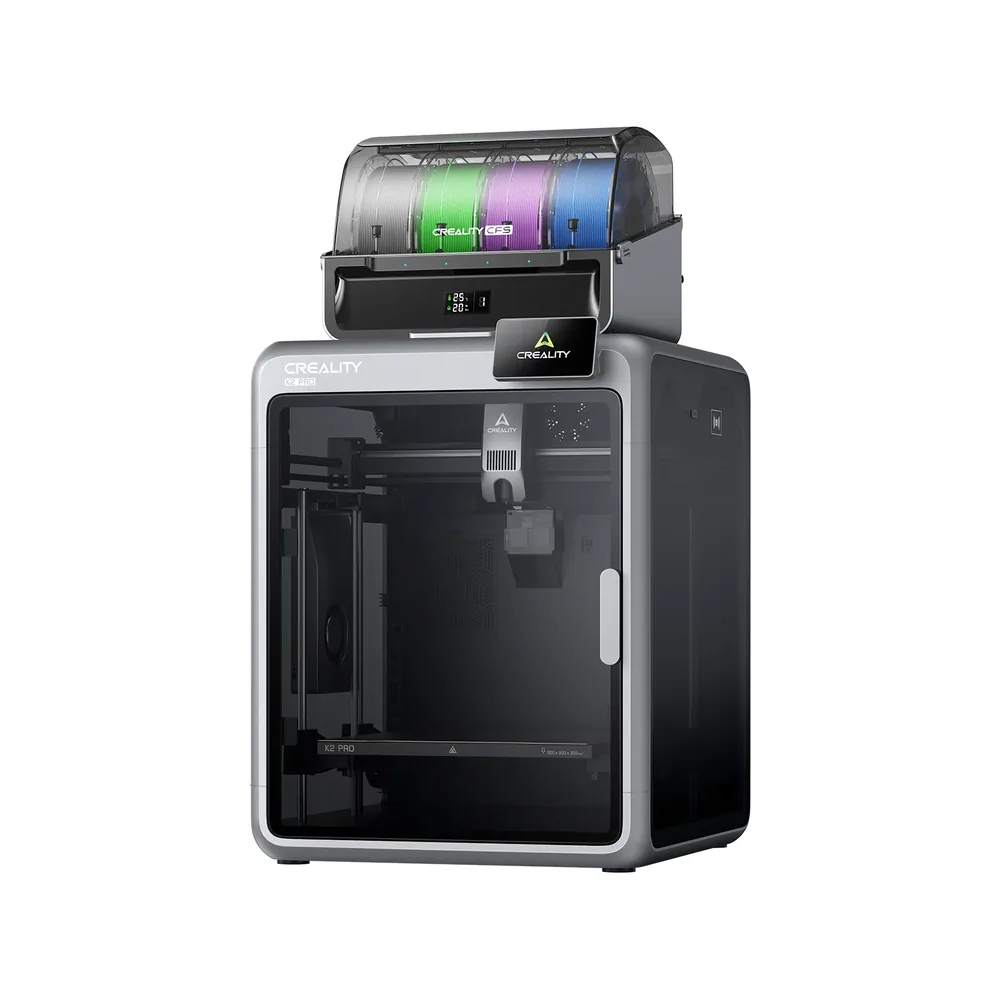
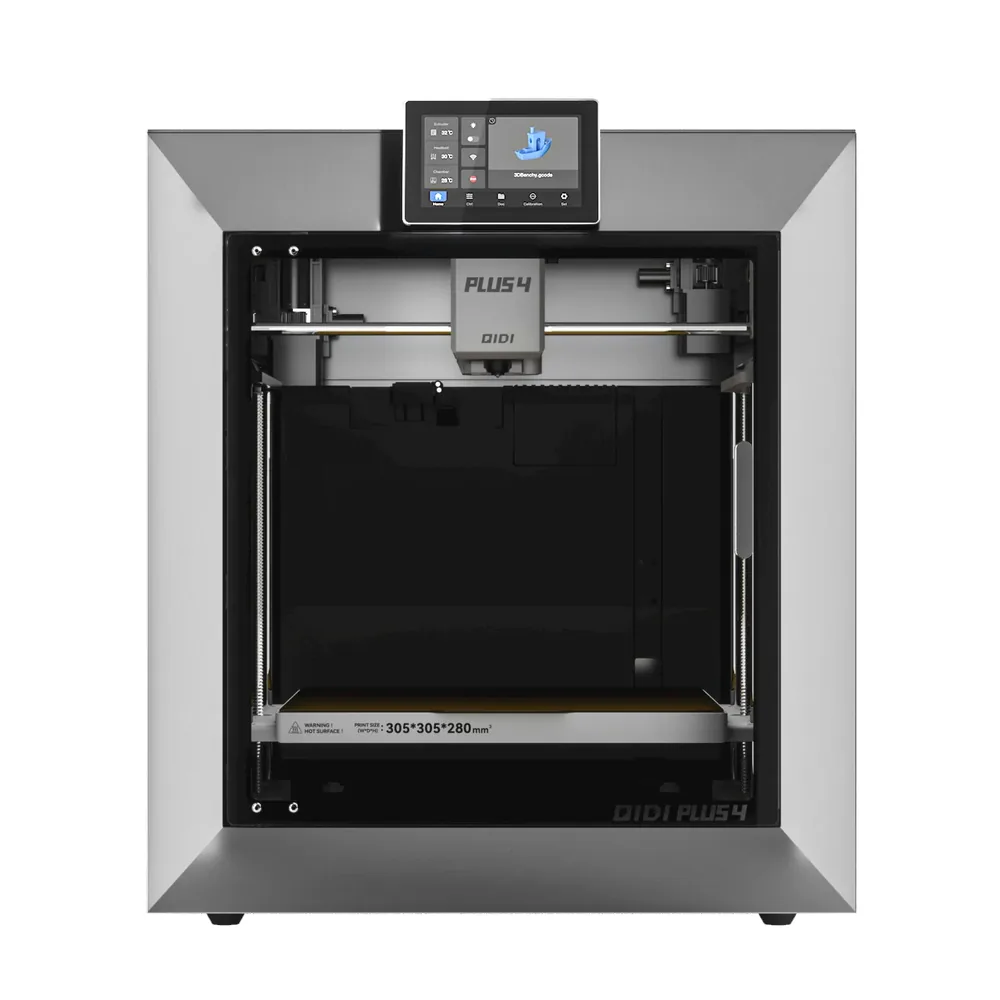
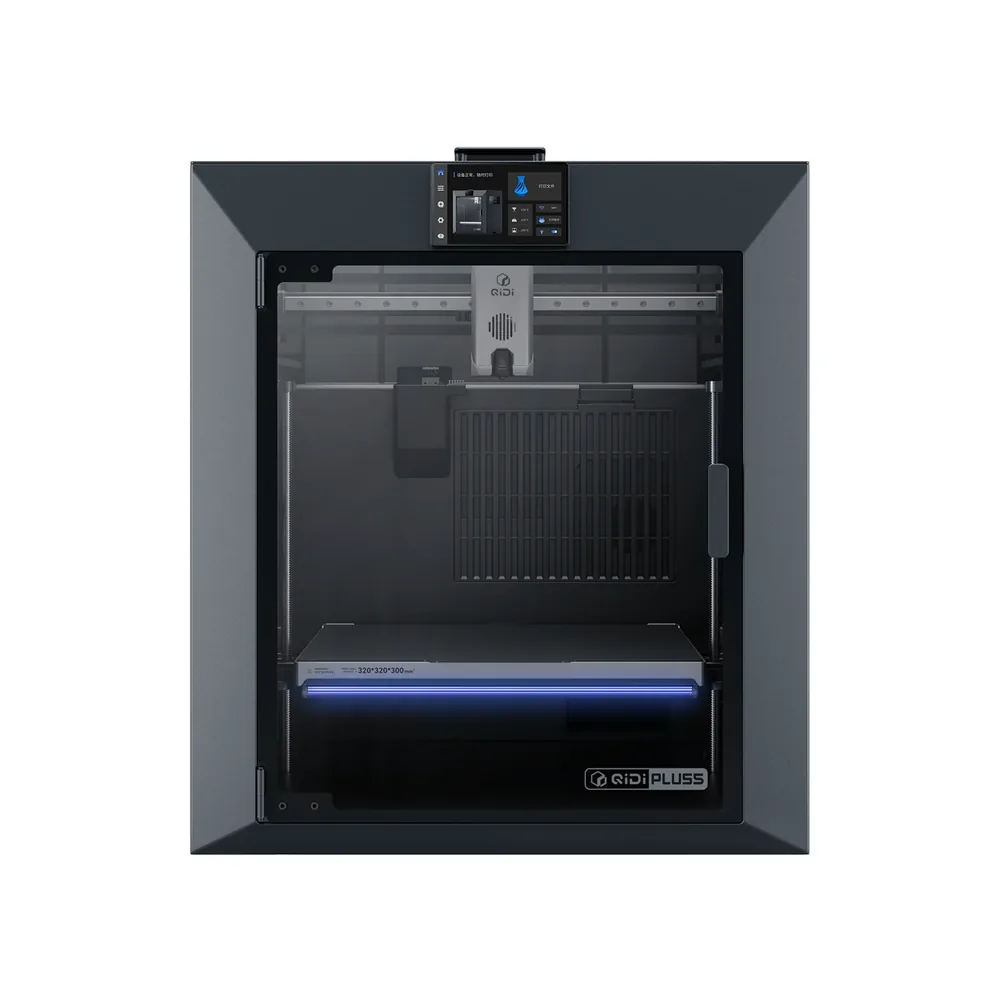
Sources and limits
- Source: official Creality pages (creality.com), checked September 28, 2026. Manufacturer claims, not our measurements.
- How we assess specifications
We have not measured noise, real printing speed, accuracy or reliability, so none of these is rated here.