
For a compact, budget CoreXY
Kingroon KP3S Pro V2
A compact CoreXY FDM printer running Klipper, with a 200 × 200 × 200 mm nominal build volume and a top speed advertised at 500 mm/s per Kingroon.
In short The Kingroon KP3S Pro V2 is an open-frame filament (FDM) 3D printer with a 200 × 200 × 200 mm (7.9 × 7.9 × 7.9 in) build volume. Kingroon claims a 500 mm/s top speed and a 300 °C (572 °F) nozzle; the printer measures 345 × 330 × 506 mm (13.6 × 13 × 19.9 in) and weighs 6 kg (13.2 lb).
Documentary analysis · Not personally tested
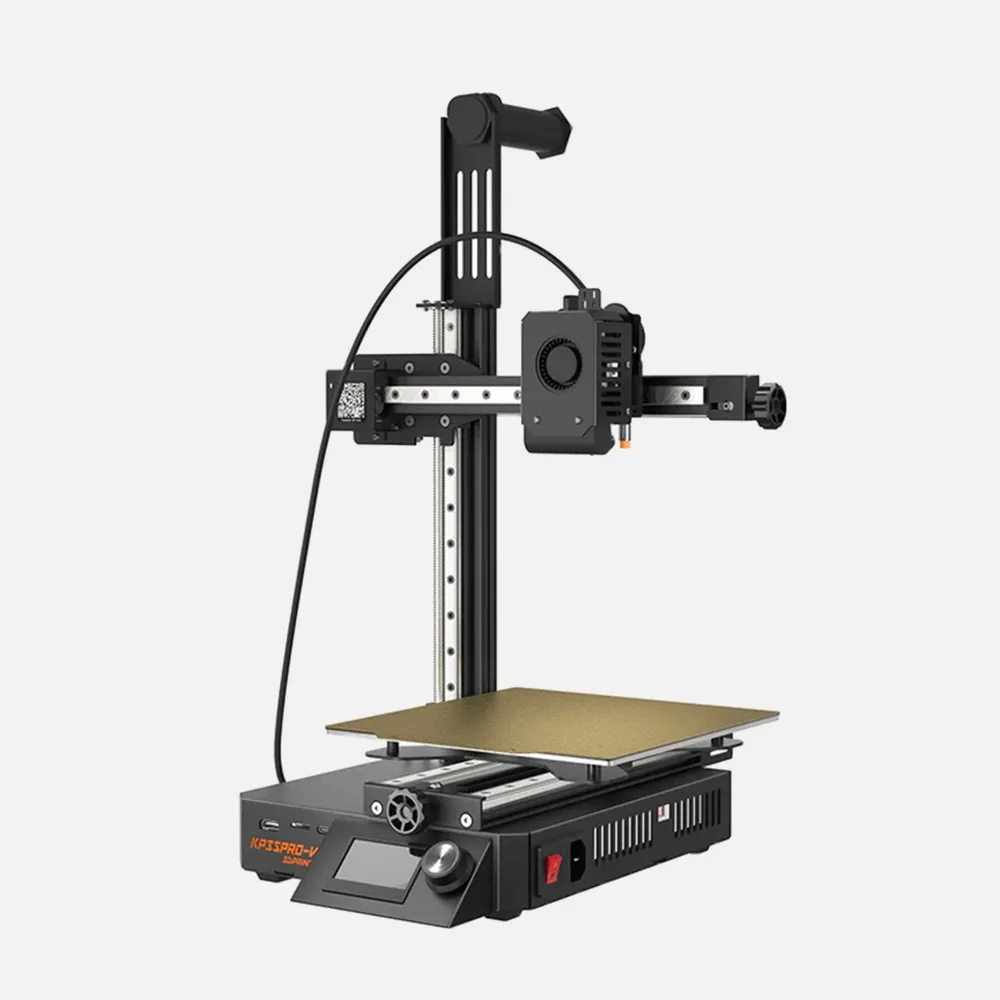 FDM · Open frame
Why consider it?
Klipper firmware pre-installed on an MKS Pi board, a 9.5:1 dual-gear extruder, a built-in accelerometer for input shaping, and a top speed advertised at 500 mm/s per Kingroon.
What to verify
Kingroon doesn't state a maximum bed temperature on the product listing, nor a dedicated materials list; the printer is currently marked sold out across several listed warehouses.
Kingroon KP3S Pro V2 specifications
- Technology
- Filament (FDM)
- Build volume
- 200 × 200 × 200 mm (7.9 × 7.9 × 7.9 in)
- Printer dimensions
- 345 × 330 × 506 mm (13.6 × 13 × 19.9 in)
- Weight
- 6 kg (13.2 lb)
- Enclosure
- Open frame
- Claimed top speed
- 500 mm/s
- Claimed acceleration
- 10,000 mm/s²
- Max nozzle temperature
- 300 °C (572 °F)
- Multicolor
- No stock multicolor system; single extruder per Kingroon.
- Materials
- Kingroon doesn't publish a dedicated materials list for this model; the nozzle advertised up to 300°C (260°C by default) leaves room beyond common PLA and PETG.
- Screen
- 1.3-inch screen
- Connectivity
- Wi-Fi, USB
- Listed features
- Auto bed leveling
How much space does it need?
The Kingroon KP3S Pro V2 measures 345 × 330 × 506 mm (13.6 × 13 × 19.9 in) for a 200 × 200 × 200 mm (7.9 × 7.9 × 7.9 in) build volume: the dashed box is the printer, the solid cube the nominal build volume, about 14% of the machine’s volume. Add room for the spool or multicolor unit, cables and ventilation.
Source: official Kingroon pages (kingroon.com), checked September 28, 2026. Manufacturer claims, not our measurements. Build volume is nominal: orientation, supports and reserved zones can reduce the usable space.
Which projects is it for?
The KP3S Pro V2 is a compact CoreXY FDM printer, with a 200 × 200 × 200 mm nominal build volume per Kingroon. It targets beginners and makers who want to try Klipper on a small format, for simple parts, accessories, and small figurines.
The MKS Pi board runs Klipper natively, with no additional Raspberry Pi to add, which simplifies setup compared with other Klipper machines that need a separate companion computer.
Materials and setup
Kingroon advertises a nozzle heating up to 300°C (260°C by default), with a ceramic heating block. The official listing doesn't detail a dedicated materials list or a maximum bed temperature for this model.
The direct-drive extruder with a 9.5:1 dual-gear ratio and the built-in accelerometer for input shaping aim for better surface quality at high speed, rather than relying on software tuning alone.
What the bundle includes or not
Per Kingroon, auto bed leveling is supported out of the box, with a top speed advertised at 500 mm/s and a recommended speed between 200 and 350 mm/s. The printer is controlled through a web interface or a USB flash drive.
The exact box contents (spare nozzles, tools, wiring) aren't detailed on the manufacturer's listing, which is currently only available as warehouses marked sold out at the time of writing: check availability before buying.
Alternatives to compare
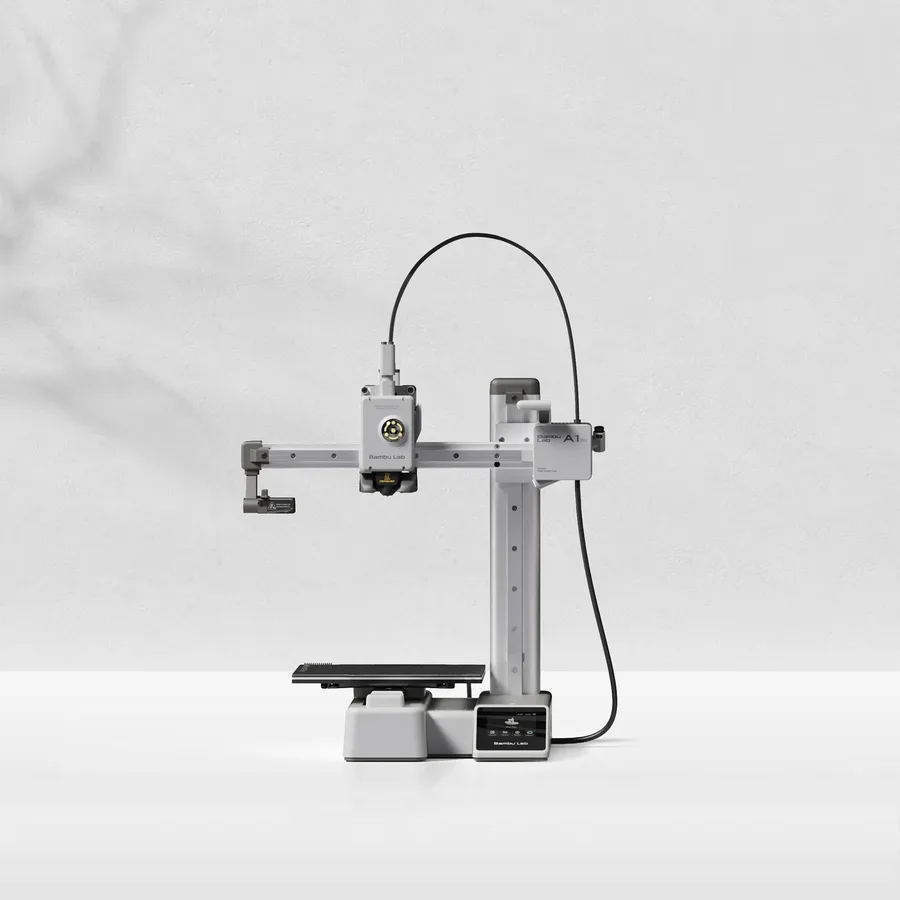
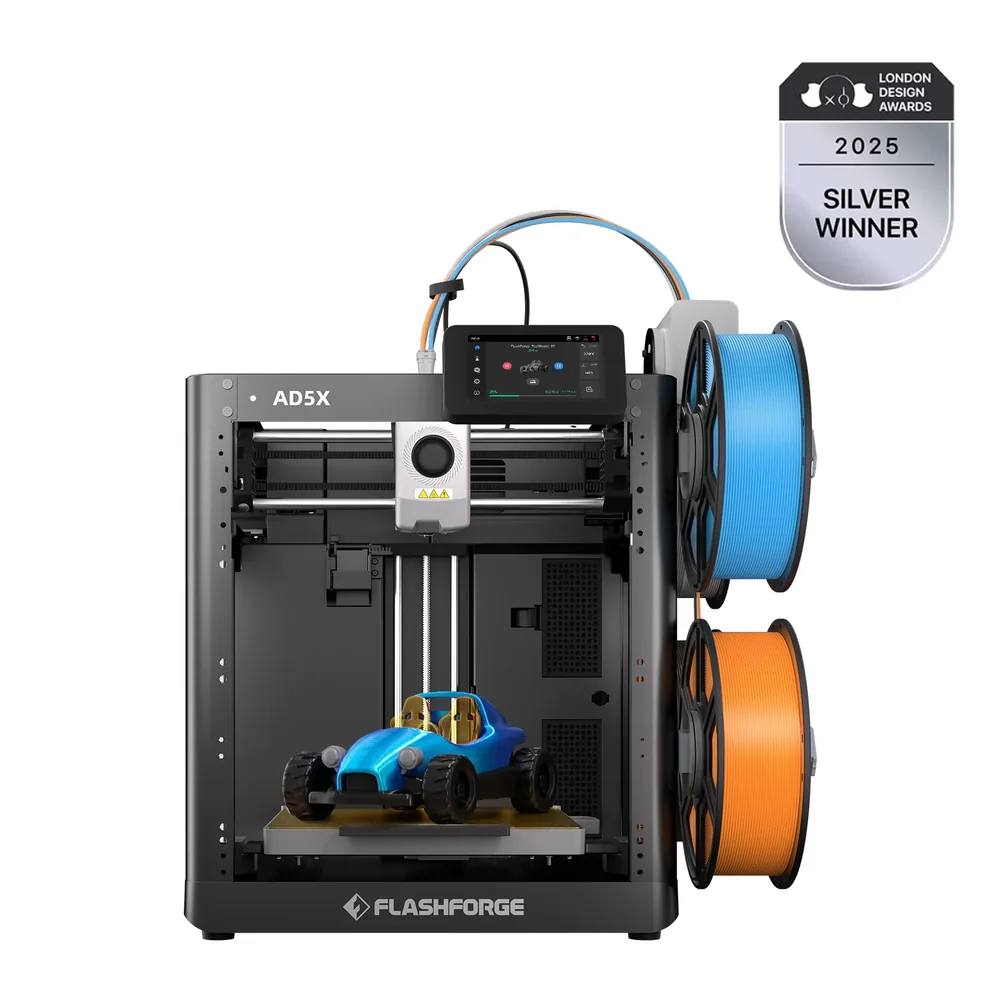
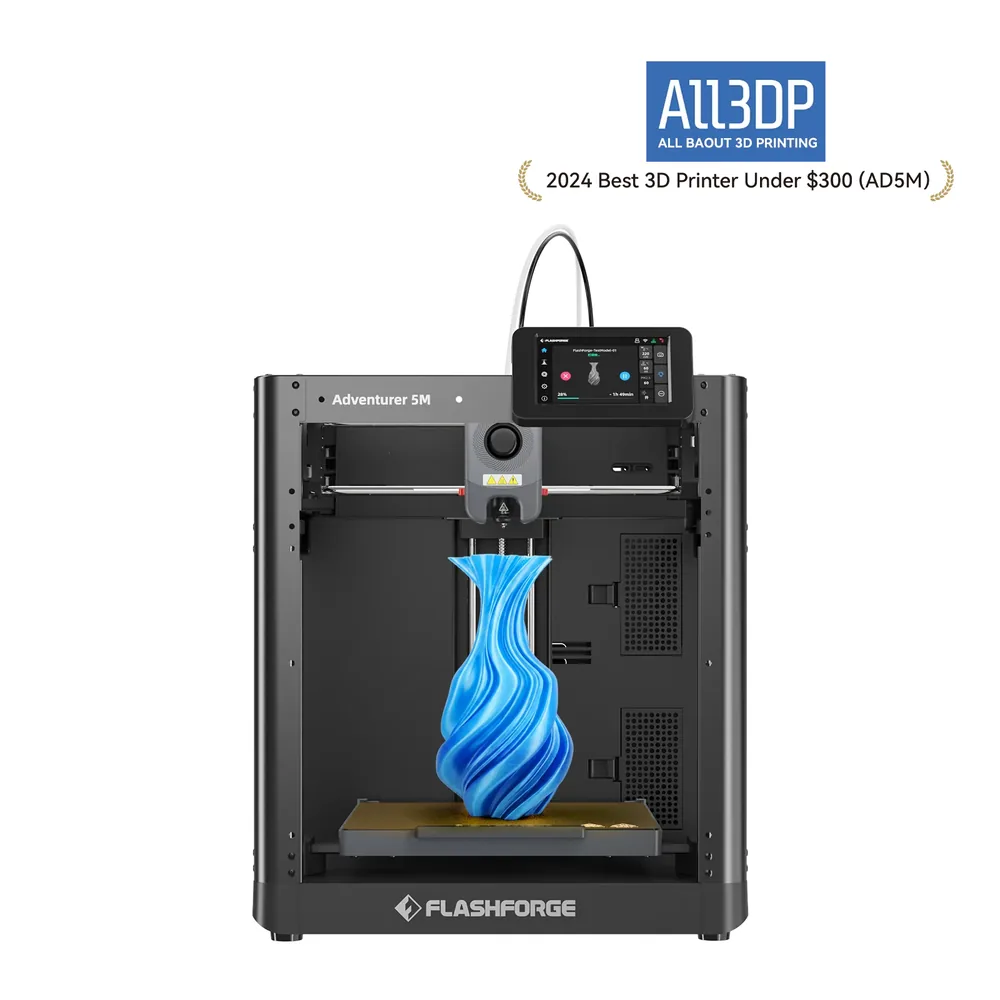
For a similar format with an enclosed chassis, the KLP1 is the closest match within Kingroon's lineup. For a comparable budget from another brand, the Creality Ender-3 V3 SE offers an open-frame entry-level format worth comparing.
The budget buying guide helps place the KP3S Pro V2 among entry-level Klipper printers before deciding.
Similar printers to compare
Sources and limits
- Source: official Kingroon pages (kingroon.com), checked September 28, 2026. Manufacturer claims, not our measurements.
- How we assess specifications
We have not measured noise, real printing speed, accuracy or reliability, so none of these is rated here.