
For large parts in engineering filaments
Qidi Plus5
An enclosed 320 × 320 × 300 mm CoreXY printer with a heated chamber up to 65 °C and a nozzle up to 370 °C, according to Qidi. Qidi Box is optional.
In short The Qidi Plus5 is an enclosed filament (FDM) 3D printer with a 320 × 320 × 300 mm (12.6 × 12.6 × 11.8 in) build volume. Qidi claims a 600 mm/s top speed, a 370 °C (698 °F) nozzle and active chamber heating to 65 °C (149 °F); the printer measures 500 × 488 × 558 mm (19.7 × 19.2 × 22 in) and weighs 29 kg (63.9 lb).
Documentary analysis · Not personally tested
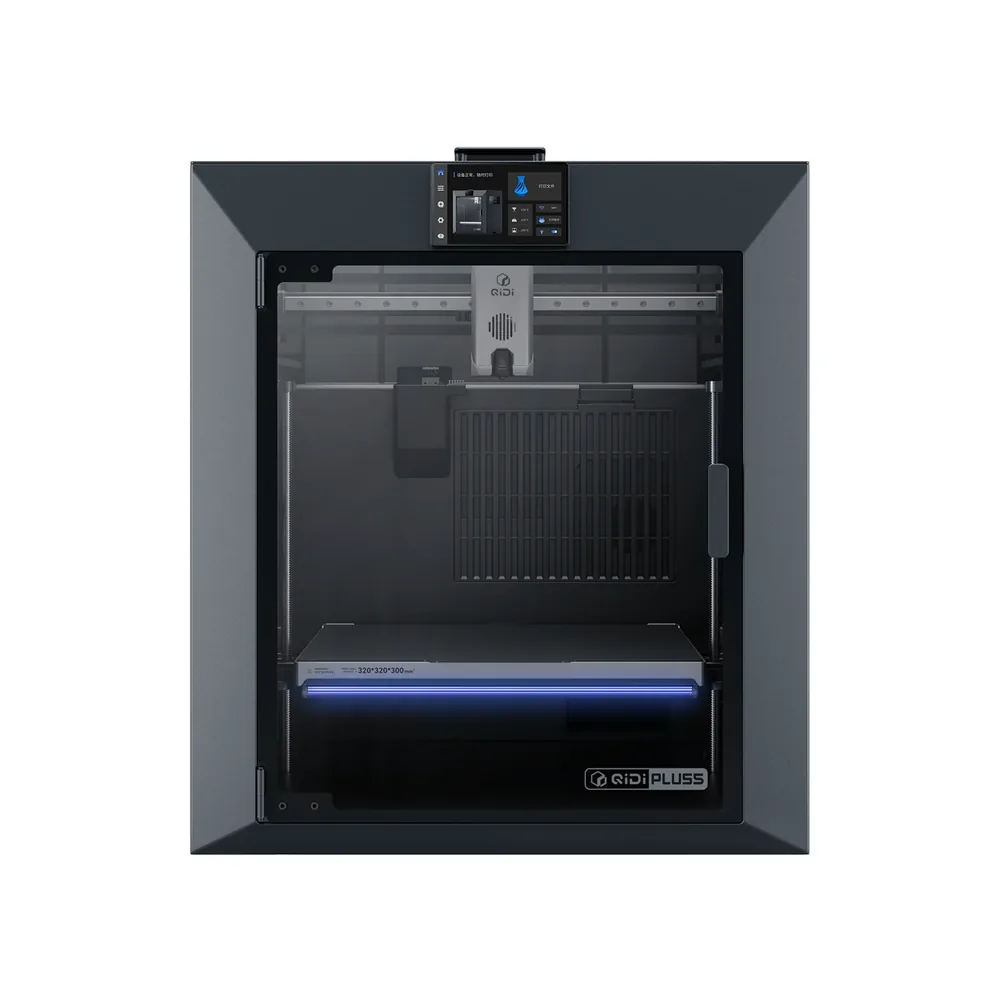 FDM · Enclosed
Why consider it?
A 320 × 320 mm plate, an actively heated 65 °C chamber and a nozzle rated up to 370 °C support engineering filament workflows in an enclosed machine.
What to verify
Qidi Box and Polar Cooler are not included with the standalone printer. Maximum temperatures do not establish compatibility with every filament or its passage through the Box.
Qidi Plus5 specifications
- Technology
- Filament (FDM)
- Build volume
- 320 × 320 × 300 mm (12.6 × 12.6 × 11.8 in)
- Printer dimensions
- 500 × 488 × 558 mm (19.7 × 19.2 × 22 in)
- Weight
- 29 kg (63.9 lb)
- Enclosure
- Enclosed, active heating up to 65 °C (149 °F)
- Claimed top speed
- 600 mm/s
- Claimed acceleration
- 20,000 mm/s²
- Max nozzle temperature
- 370 °C (698 °F)
- Max bed temperature
- 120 °C (248 °F)
- Multicolor
- One color as standard; optional Qidi Box supports four colors per box, up to sixteen with four boxes.
- Materials
- PLA, PETG, ABS, ASA, TPU, PA, PC and compatible composites; match drying, nozzle and profiles to the material.
- Screen
- 4-inch touchscreen
- Built-in camera
- Yes
- Connectivity
- Wi-Fi, Ethernet, USB
- Listed features
- Auto bed leveling, filament runout sensor, filament cutter, built-in air filtration
How much space does it need?
The Qidi Plus5 measures 500 × 488 × 558 mm (19.7 × 19.2 × 22 in) for a 320 × 320 × 300 mm (12.6 × 12.6 × 11.8 in) build volume: the dashed box is the printer, the solid cube the nominal build volume, about 23% of the machine’s volume. Add room for the spool or multicolor unit, cables and ventilation.
Source: official Qidi pages (us.qidi3d.com), checked September 28, 2026. Manufacturer claims, not our measurements. Build volume is nominal: orientation, supports and reserved zones can reduce the usable space.
Which projects fit?
The Plus5 suits enclosures, brackets, prototypes and parts that exceed the space available on a smaller desktop printer. Its 320 × 320 × 300 mm build volume leaves room for single-piece designs or groups of components arranged across the plate. Check the model with its brim and supports included when planning a large job.
The CoreXY structure and linear X-axis guide accompany a maximum advertised speed of 600 mm/s. That ceiling is not a constant printing speed across materials. Flow rate, geometry, cooling and the desired surface finish determine practical settings for each project.
Filaments and chamber heating
Qidi specifies a nozzle up to 370 °C, a bed up to 120 °C and an actively heated chamber up to 65 °C. This combination can help control the environment around parts prone to shrinkage, provided the selected material profile supports those temperatures. More heat is not automatically the correct setting.
The listed material range includes PLA, PETG, ABS, ASA, PA, PC and selected composites. Filled filaments require suitable wear-resistant hardware, while moisture-sensitive materials need proper drying. Confirm each material's compatibility with the Qidi Box feed system separately from compatibility with the printer itself.
Understand the bundles
The standalone printer uses one loaded color at a time. Qidi Box adds multicolor handling, with four colors per box and an advertised maximum of sixteen when four boxes are connected. A Combo listing therefore represents a different configuration from a printer-only listing. Check the actual number of boxes supplied.
Polar Cooler is also optional. Compare the contents of the selected bundle before assuming it includes every feature advertised across the product range. USB, WiFi and Ethernet provide file transfer options for different workshop setups and network preferences.
What to compare
The Plus4 is a useful reference when judging the value of the Plus5's build volume and changes. Measure the available space around the printer and any filament boxes as well. Large capacity matters most when the installation and supported materials match the parts you regularly need to produce.
Similar printers to compare
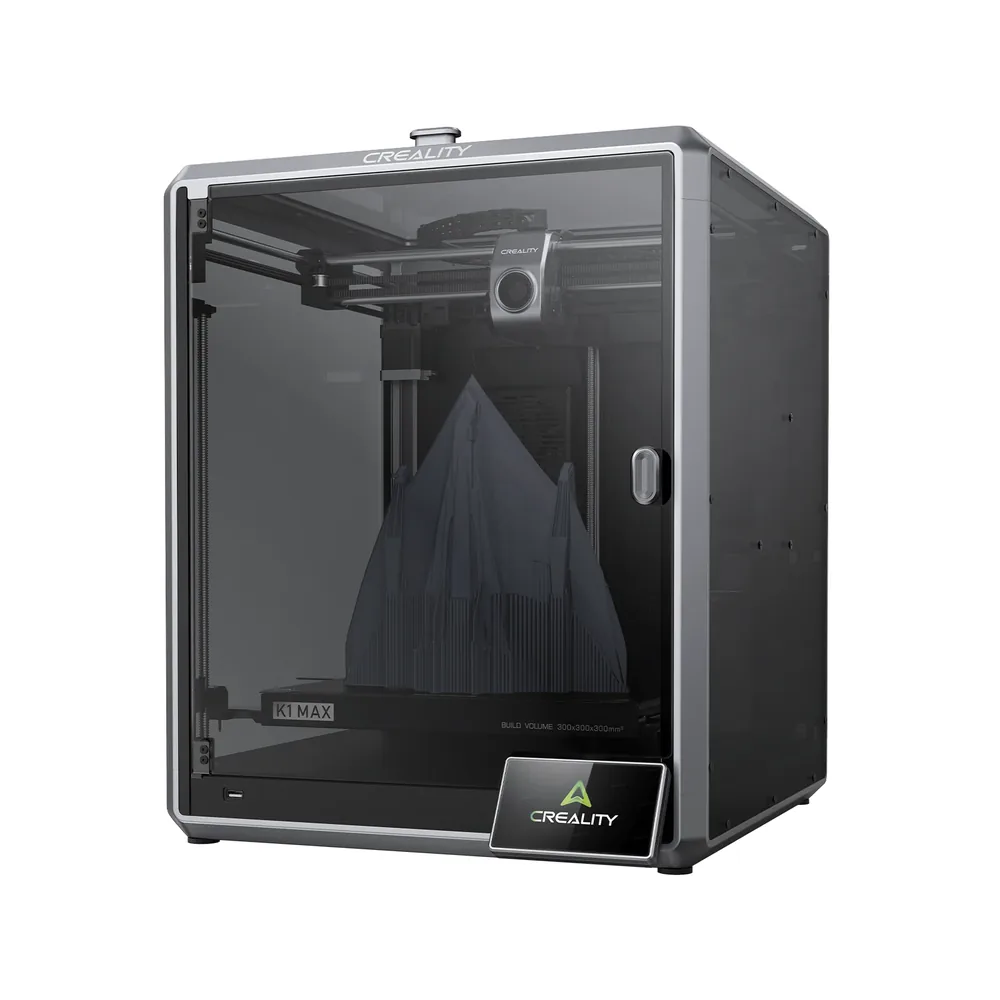
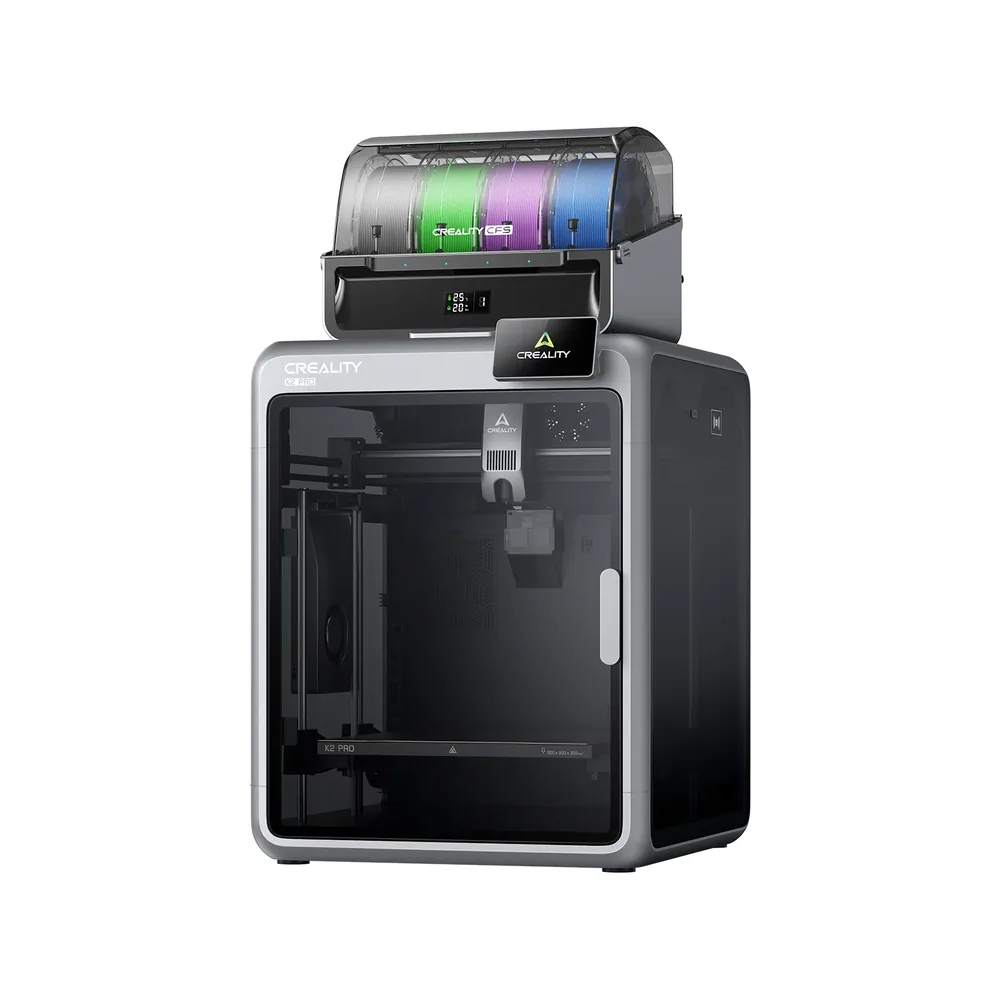
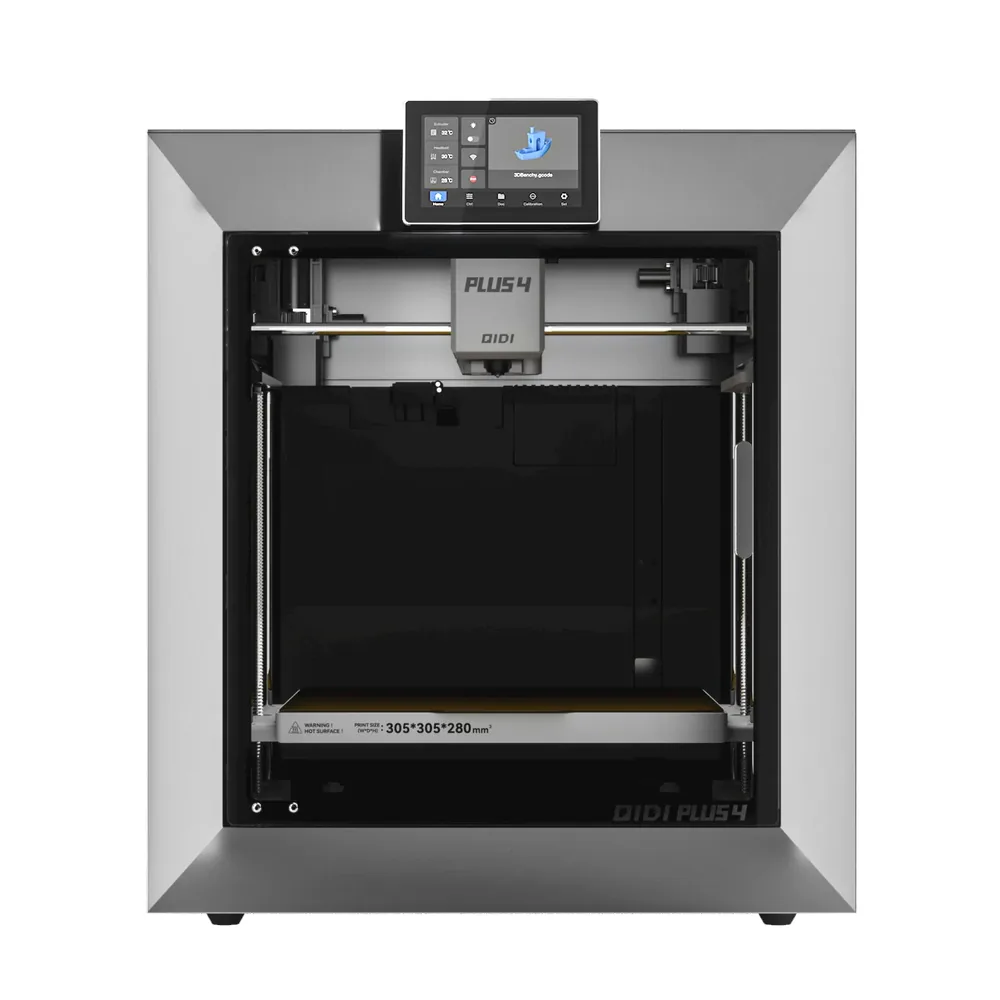
Sources and limits
- Source: official Qidi pages (us.qidi3d.com), checked September 28, 2026. Manufacturer claims, not our measurements.
- How we assess specifications
We have not measured noise, real printing speed, accuracy or reliability, so none of these is rated here.